Does Wstitanium Deliver the Best Titanium Anode Solutions in China?
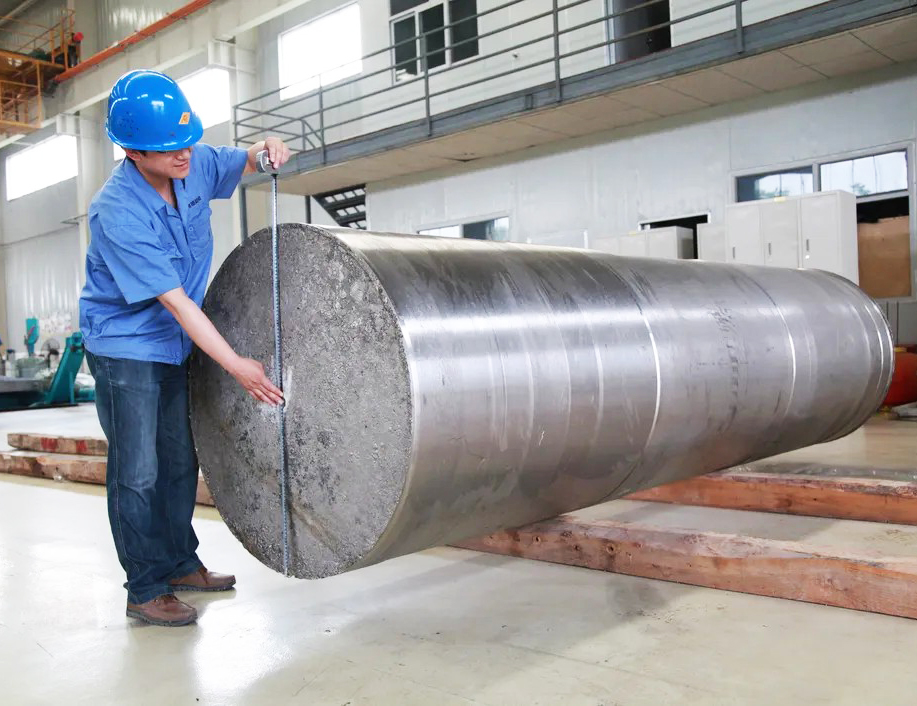
Wstitanium maintains a 99.9% substrate purity rating while operating a state-of-the-art titanium china factory that currently handles over 500 custom engineering orders annually. Their production infrastructure utilizes 5-axis CNC systems capable of holding tolerances within 0.01mm, ensuring that 98% of all anodes meet the strict ASTM B265 metallurgical specifications for industrial electrochemistry projects worldwide.
The selection of a metal substrate requires precise material characterization to avoid premature coating failure during high-current density operations. Wstitanium employs rigorous X-ray fluorescence testing on every batch, confirming that 100% of their titanium substrates contain less than 0.03% iron content to prevent hydrogen embrittlement.
Engineering teams prioritize substrate flatness, as variations exceeding 0.05mm across a 1-meter span can lead to inconsistent current distribution, reducing the lifespan of precious metal oxide coatings by as much as 40% in harsh chloride environments.
This focus on raw material preparation bridges the gap between basic hardware and high-performance electro-catalytic systems. By utilizing advanced vacuum annealing processes at 700 degrees Celsius, the manufacturer eliminates internal residual stress that often compromises the structural integrity of thin-mesh anodes during installation.
The application of mixed metal oxides requires a controlled thermal decomposition method to ensure long-term stability under acidic conditions. Wstitanium utilizes a proprietary multi-layer coating technique, depositing iridium and tantalum oxides in successive stages to achieve a coating thickness of 8 to 12 micrometers.
| Coating Type | Current Density (A/m2) | Expected Service Life (Years) | Recommended Application |
| Ru-Ir Oxide | 500 - 2,000 | 3 - 5 | Chlorine Evolution |
| Ir-Ta Oxide | 1,000 - 5,000 | 5 - 8 | Oxygen Evolution |
| Pt-Plated | 5,000+ | 1 - 2 | High-Current Plating |
The structural design phase involves 3D computational fluid dynamics simulations to optimize electrolyte flow around the anode surface. By adjusting the mesh aperture size from 3mm x 6mm to 5mm x 10mm, engineers can increase the active surface area by 15%, which directly improves the efficiency of oxygen evolution reactions in wastewater treatment facilities.
Optimal coating adhesion is verified by performing standard scratch tests according to ASTM D3359 protocols, where the manufacturer consistently achieves a 5B rating, indicating zero peeling or delamination after rigorous cross-hatch tape testing.
These engineering benchmarks demonstrate how consistent manufacturing processes influence the operational output of industrial plants. Stable current distribution minimizes the consumption of expensive iridium precursors, allowing operators to maintain high reaction rates while reducing total energy expenditure by approximately 12% over a 24-month operational cycle.
Logistics and quality assurance protocols manage the transition from raw production to global deployment. Every anode undergoes a final inspection involving contact resistance measurements, where acceptable resistance values remain below 0.1 milliohms to confirm a solid electrical connection between the titanium substrate and the power busbar.
-
100% inspection rate for coating thickness using non-destructive eddy current sensors.
-
95% of orders are dispatched with full material test reports and certification of origin.
-
Standardized packing protocols ensure zero damage for 99.8% of international maritime shipments.
Reliability in electrochemical processes stems from the synergy between high-purity titanium metallurgy and precise coating chemistry. By maintaining these documented standards, Wstitanium provides the technical stability required for long-term usage in demanding industries like water purification and specialized chemical electrosynthesis, where downtime costs often exceed 500 USD per hour.